Sweat Equity: The Brutal, Beautiful Reality of Touring in a Funk Band
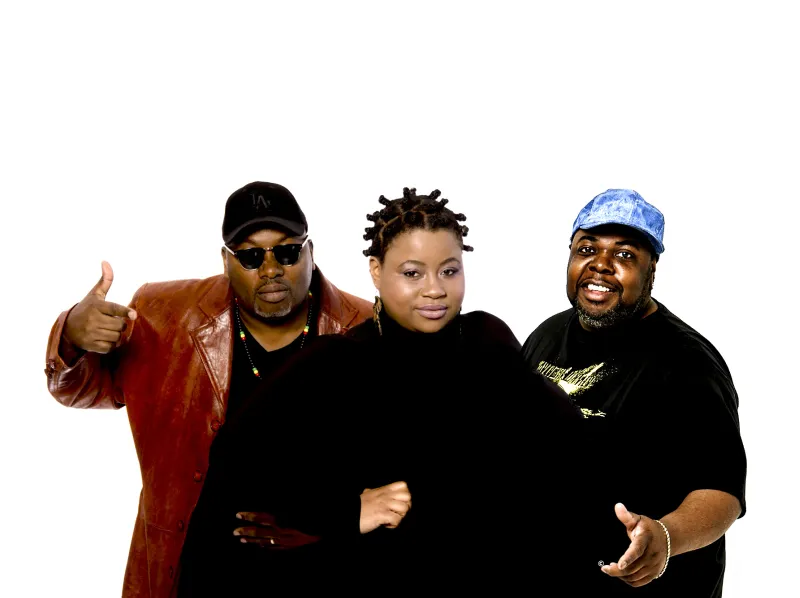
Photo: Mark Duffus, CC0, via Wikimedia Commons
Nobody gets into funk to take it easy.
When people picture the rock 'n' roll lifestyle, they imagine leather pants and backstage spreads. What they don't picture is a nine-piece band hauling a Hammond B-3 up a loading dock in Memphis in August, or a horn section doing breathing exercises in a Sprinter van somewhere outside Tulsa. But that's the deal. Funk is a working musician's game, and the road doesn't care how greasy your groove was last night.
The Three-Hour Problem
Here's a truth most genres don't have to face: a funk set has no place to hide. A singer-songwriter can let a song breathe. A punk band can be done in 45 minutes before anyone notices the wheels coming off. But funk? Funk is a marathon ran at a sprint.
When we play a full night, we're talking two and a half to three hours of material that lives or dies on rhythm section precision. The drummer doesn't get to coast. The bassist is locked in from the downbeat to the encore. And unlike a genre built on volume and velocity, funk's demands are almost crueler — it's not about playing hard, it's about playing exactly. The pocket is a narrow doorway, and every player walks through it a thousand times a night.
By hour two, the stage looks like a locker room. We've measured it: some members drop five pounds a show. That's not swagger, that's cardio.
Horns Don't Lie
If you want to know whether a funk band has been doing the work, listen to the horns in the third hour. Brass is unforgiving. It requires air, embouchure strength, and a lung capacity that grows only through repetition. A tired horn section sounds like a dying parade. A sharp one can lift a whole band onto its shoulders.
Our horn players train like athletes because they are athletes. Long tones on days off. Lip slurs in the van. There's a running joke that the trumpet player's warm-up routine is longer than some bands' entire discographies. The joke stops being funny when you hear what happens to a section that skipped it.
The Pocket Is a Democracy
The biggest misconception about funk is that it's about the soloist — the wailing guitar, the screaming sax. Wrong. Funk is about the rhythm section, full stop. James Brown famously fined players for missing the one. Not the two, not the three. The one. He understood something fundamental: the groove is a shared contract, and breaking it is a firing offense.
On tour, that contract gets renegotiated nightly. Different rooms, different monitors, different drum kits cobbled together by house engineers. The bass player and the drummer have to re-lock every single night, sometimes mid-song, using nothing but eye contact and years of shared mileage. That telepathy isn't magic. It's the result of a thousand soundchecks in a thousand cities, from Chicago to New Orleans to a dive in Boise where the PA was held together with gaffer tape.
Creative Fuel on Empty
Here's the part nobody warns you about: the physical grind is only half of it. Funk demands creativity in real time. Our sets aren't stone tablets — they're living documents. A jam might stretch to twelve minutes if the crowd pulls us there. A transition might mutate into something we've never played before. That means every member is composing on the fly, listening as hard as they're playing.
Improvisation at that level burns mental fuel fast. Which is why the van rides are quiet, the hotel rooms are dark, and the green room conversation is mostly about whether the venue's chili mac counts as food.
Why We Keep Coming Back
So why do it? Why drag a trombone across America when you could play 40-minute sets in a studio project?
Because of the moment. You know the one — when the crowd stops standing still and starts moving as one organism, when the bass line and the bar crowd lock into the same pulse, when the groove gets so thick you could slap it and leave a handprint. That moment can't be manufactured. It can only be earned, nightly, through sweat and repetition and showing up.
Funk bands are the hardest working acts in live music because funk gives nothing back for free. The groove has to be paid for — in calluses, in lung capacity, in miles. And every night, we gladly pay up.
See you on the road. Bring a towel. Actually, bring two.