The Last Ten Minutes: A Field Guide to Funk Encores That Aren't a Rip-Off
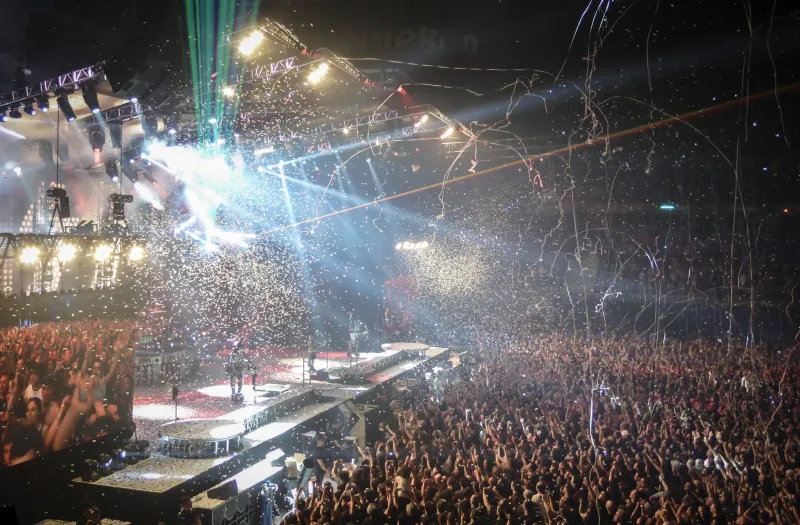
At 11:47 p.m., the band is not backstage having a spiritual moment. The band is in a cinderblock hallway that smells like beer and mop water, whispering about whether the room actually deserves another tune or whether the house is about to start stacking chairs. The crowd is stomping. The drummer is already half out of his shirt. The promoter is doing math on a phone. This is the encore: the last ten minutes of the night, where funk gets romantic, greedy, generous, and occasionally full of it.
The Encore Is a Business Meeting With Better Shoes
Strip away the cheering and the fake surprise, and an encore is a small negotiation. The audience wants transcendence. The band wants love and maybe a little more merch money. The venue wants everyone in the parking lot before the staff turns into pumpkins. All three desires are legitimate. The trouble starts when everybody pretends the encore is spontaneous.
A planned encore is fine. Bands have closers. Bands have a slow-burn burner they save for the end. The dishonesty comes when a band plays a 55-minute set, walks off like they have been called to another dimension, and then returns 90 seconds later for a second mini-set they planned before load-in. That is not an encore. That is a setlist with a commercial break.
House Lights Are a Threat, Not a Vibe
When the house lights come up, that is the venue speaking. It is not a lighting cue for your heroic return. It means the bartenders are counting tips, the sound engineer is thinking about the drive home, and the room is one chorus away from becoming a custodial issue.
Some crowds can override house lights for a minute or two. That is a gift, not a policy. Bands who stare into the glare and launch into a 12-minute jam because they feel the love are often making the venue eat overtime while the audience chants for a band that already got paid. The house lights are not the enemy. They are a clock with a dimmer switch.
Curfew Math and the Dollar-Per-Minute Blues
Every room has a different number, but the math is real. Staff overtime. Union crew penalties. Parking tickets for the van parked in a loading zone that becomes a tow-away zone at midnight. The next day's drive. A ten-minute encore can cost a small club a couple hundred dollars in wages and aggravation, or it can cost a bigger room a lot more. The crowd sees sweat and joy. The promoter sees the meter running.
That does not mean every encore is a scam. It means the band should know the curfew before the downbeat. If the venue says hard out at midnight, do not treat midnight like a suggestion. If the room is still screaming and the staff is smiling, maybe you have room. If the staff is stacking chairs during your second chorus, you do not have room. You have an audience and a problem.
The Unspoken Contract
The audience gives energy. The band gives songs. The venue gives a room and a clock. A good encore honors all three. A bad encore pretends only the first two exist.
The best encores feel like the last bite of a great meal, not an upsell. The band comes back because the night earned it, plays something that changes the temperature, and gets off. The worst encores feel like a hostage situation with a horn section. The band comes back because the crowd is loud, plays two more, then gets passive-aggressive when the house lights finally win.
Horror Stories From the Wings
We have seen a sound engineer kill the PA at 12:01 while a bass player was still holding a note. We have seen a band play three encores, miss the venue's load-out window, and spend the next morning explaining to a parking lot attendant why the van was still there. We have seen a crowd chant for one more while the singer was already in the alley, trying to find the merch guy. None of it was evil. All of it was avoidable.
The funniest version is the band that plays the same encore song every night and acts shocked when the crowd asks for it. The saddest version is the band that has no closer, no plan, and no read on the room, so the last ten minutes become a group therapy session with amps.
A Field Guide for Bands
Know the curfew in writing. Pick your encore song before the show. If the house lights go up and the staff is visibly done, wrap it up and thank them. Do not do a second fake walk-off. Do not guilt the crowd. Do not make the venue be the villain because you want one more dopamine hit.
If you are not coming back, say so. A simple thank-you and a wave is not a letdown. It is professional. The audience will remember the set, not the absence of a fourth encore.
A Field Guide for Fans
Stomp. Holler. Mean it. But watch the room. If the house lights are up and the staff is breaking down, you are no longer asking for art. You are asking for unpaid labor. Buy the shirt before the encore, not after. And if the band comes back, give them something to come back to. A tired crowd chanting for more is not the same as a room that is still cooking.
The Honest Encore
The encore should be the last honest ten minutes of the night. It should be earned by the set, not demanded by habit. It should respect the clock, the crew, and the crowd. When it works, it feels like the room refusing to let go and the band agreeing to one last dance. When it fails, it feels like a hustle with a backbeat.
One more should mean one more. Not three more. Not a second set. Not a negotiation disguised as a celebration. Funk is better than that. So is the audience. So is the person holding the mop.