The Pocket Doesn't Live in Your Bedroom: On Why Funk Can't Be Faked
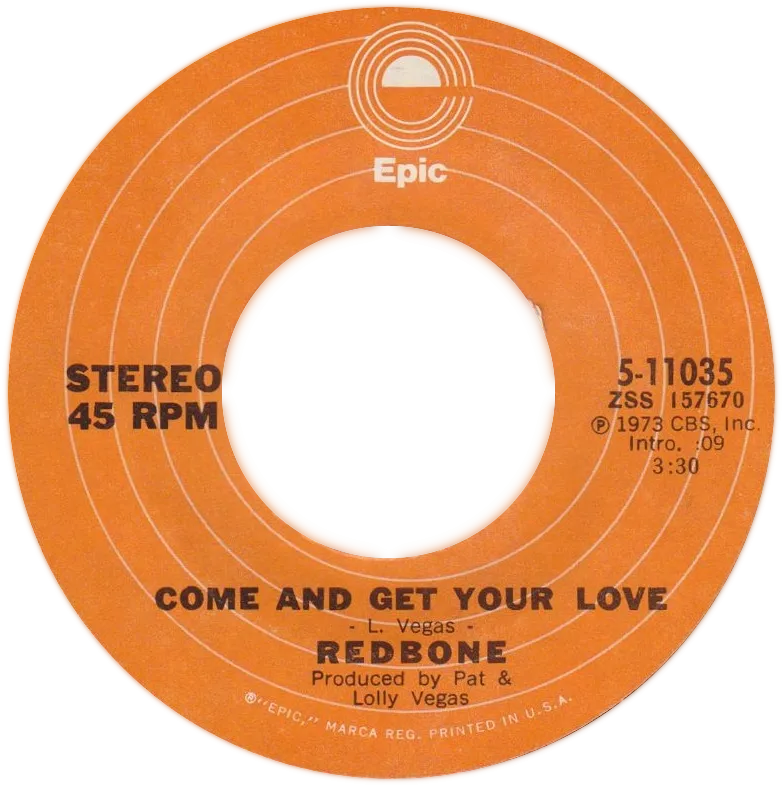
Photo: Epic Records, Public domain, via Wikimedia Commons
Here's a hard truth we've learned after a couple thousand miles and a couple thousand sets: funk is the only genre where the audience can tell within eight bars whether you've actually lived in the music or just visited it.
Blues forgives you. Jazz rewards cleverness. Rock rewards volume. But funk? Funk runs a background check on you the second the drummer counts it off. And there's no faking the results.
Anyone Can Learn the Notes. Nobody Can Learn the Wait.
The notes in funk are almost insultingly simple. One-flat-seven. The nine. A riff that fits on a cocktail napkin. Walk into any music store in America and you'll hear some kid nailing a Chicken Scratch run note-perfect — and swinging absolutely nothing.
That's because the hard part of funk isn't what you play. It's everything you don't.
We asked a horn player who's been sitting in with us for years about the moment it clicked for him. His answer: "I spent my twenties treating every chart like a solo opportunity. Then one night a bandleader grabbed my lapel mid-set and said, 'You're the hot sauce, not the meal.' Took me another five years to figure out what he meant. Now I measure my nights in notes I chose not to play."
That's the whole religion right there. Funk is a music of restraint dressed up as a music of abandon. The groove is a machine with slots, and your job is to fill your slot — not your neighbor's, not the bar's, and definitely not the next four bars you've already composed in your head.
The Pocket Is a Group Project You Can't Do Alone
You know why the pocket can't be practiced in a bedroom? Because the pocket isn't a thing you have. It's a thing that happens between people.
Our bass player puts it bluntly: "You can practice funk like you can practice a handshake. Technically, yeah. But a handshake requires another hand. The pocket lives in the space between the kick drum and the snare, and you don't own either of them."
This is why bedroom prodigies can shred a YouTube cover and still fall apart at a jam session. The pocket is negotiated in real time — micro-adjustments of a few milliseconds, an ongoing argument between drums, bass, and rhythm guitar that never gets resolved, only maintained. It's less like playing music and more like keeping a spinning plate spinning with three other people's fingers on the same plate.
And here's the kicker: the pocket moves. Night to night, room to room, crowd to crowd. A groove that locked at a 900-cap room in Chicago might feel stiff in a sweatbox in New Orleans, because the tempo of a crowd's dancing feeds back into the band's time. You can't rehearse feedback loops in isolation.
Confessions of Recovering Overplayers
Every funk musician we know has an overplaying phase they're not proud of. Ours included. So consider this a support group meeting.
One rhythm guitarist we toured with described his conversion like this: "I used to play sixteenth notes like I was getting paid per note. Then I subbed for a guy in an old-school band, and the bandleader told me, 'Play like the guitar is a horn section — three notes, then breathe.' My whole career started over that night."
A drummer friend frames it as a debt metaphor: "In funk, the drummer owes the band silence. Every fill is a loan against the groove, and the audience is the bank. Miss enough payments and they stop dancing. It's that literal."
The pattern in every story is the same: the moment of transformation is always a moment of subtraction. Nobody ever tells the story of the lick that saved them. They tell the story of the night they shut up and the room caught fire.
How to Tell the Tourists from the Tenants
So how do you spot a fake? You don't watch the soloist. You watch the space.
- Tourists fill rests. Every gap in the arrangement gets stuffed like a Thanksgiving turkey. Tenants let the rests breathe, because they know the rests are doing structural work.
- Tourists watch their hands. Tenants watch the drummer's hi-hat, the crowd's shoulders, the singer's eyebrows.
- Tourists play at the groove. Tenants play inside it — behind the beat by a hair, leaning on it like a couch they've sat on for years.
- Tourists peak at the solo. Tenants peak at the vamp — that endless final section where the song stops being a song and becomes a weather system.
That last one is the real litmus test. The vamp is where funk stops being composition and becomes endurance, a ten-minute act of collective will. Tourists run out of ideas at minute three. Tenants were just getting comfortable.
Why We'd Have It No Other Way
Look, we love that funk is hard to fake. It's the last gatekeeping we believe in — not who you know or what gear you own, but whether you can make a stranger's hips make decisions their brain didn't authorize.
You can't stream your way into that. You can't practice it in isolation with a metronome and a dream. You have to stand in a room with other humans, miss the pocket, get yanked back, miss it again, and slowly, over years, earn the right to disappear into a groove so deep you forget your own phone number.
That's the job. Anything less is just notes.
Agree? Disagree? Think your scene's pocket runs deeper than ours? Good — that's what the comments are for. Bring your receipts.